
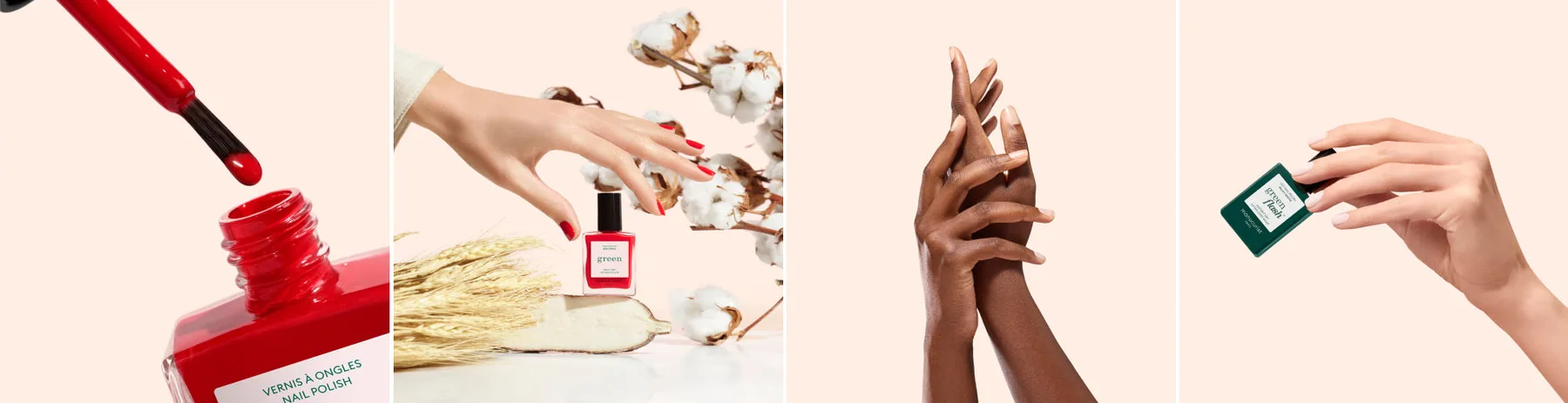
Solvents, resins, plasticisers, pigments, photoinitiators… Inside a bottle of nail polish is a mix of chemicals that varies by type, whether the polish is conventional, bio-based, water-based or light-cured. In recent years, several substances traditionally used to make nail polish have been banned in Europe because of their effects on human health. Others remain permitted but are being monitored because they may cause sensitisation or irritation. So how can you tell whether a nail polish is healthy and safe? Here’s what to look for to avoid unpleasant surprises.
In short: which nail polish is the healthiest?
👉 The healthiest nail polish has a formula that is free from substances classified as CMR, endocrine disruptors and monomers, and air-dries and can be removed without filing or acetone. Bio-sourced polishes most often meet these criteria while offering wear comparable to classic formulas.
👉 Gel polish calls for greater care: methacrylate monomers (HEMA and di-HEMA are banned in Europe in cosmetics sold to consumers) are among the most commonly reported contact allergens, and removal can weaken the nail.
👉 When choosing your nail polish, the INCI list printed on the packaging remains your most reliable guide—far more so than a clean or x-free claim, whose definition varies from brand to brand.
Is nail polish harmful to your health?
No, nail polish is not dangerous to your health when used occasionally and bought from a regulated retailer. Some formulas do, however, contain substances that can cause allergies or irritation, or are suspected endocrine disruptors. Their impact varies with the type of polish and how often you apply it.
The good news is that in Europe, the composition of cosmetics sold to consumers is strictly regulated. Regulation (EC) No 1223/2009 excludes any ingredient that poses a risk to human health and expressly bans substances classified as carcinogenic, mutagenic or toxic to reproduction (CMR). That’s reassuring!
Nevertheless, the risk is not zero, particularly if you use products bought outside the EU. Exposure occurs in two ways:
- Skin: if polish spills over the nail, it comes into contact with the skin and its molecules can pass through the skin barrier. Some people may then develop a contact allergy or irritation on their fingers, which can spread to other parts of the body through touch. More broadly, once absorbed, these molecules circulate through the body and may disrupt its metabolism.
- Airways: volatile solvents can be inhaled during application and drying and may cause asthma, headaches or breathing difficulties in sensitive people.
Which substances can make nail polish harmful?
Controversial ingredients fall into three groups: endocrine disruptors and CMR substances, contact allergens, and irritants. Each serves a specific technical purpose—film flexibility, shine, adhesion or colour stability—which explains why they have historically been used in formulas.
Endocrine disruptors and CMR substances
These two groups include the ingredients with the most concerning potential long-term effects on hormone function, cancer risk, genetic disorders and reproductive health.
Dibutyl phthalate (Dibutyl Phthalate or DBP) was long used as a plasticiser: it makes the polish film flexible and prevents it from chipping. Classified as toxic to reproduction, it is now banned in cosmetics sold in the European Union. Many manufacturers replaced it with triphenyl phosphate (Triphenyl Phosphate or TPHP). This plasticiser is now suspected of disrupting the endocrine system and will be banned from 2027.
Benzophenones (Benzophenone-1, Benzophenone-3) are UV filters that prevent shades from fading in the light. They, too, are suspected endocrine disruptors.
TPO (Trimethylbenzoyl Diphenylphosphine Oxide) is a photoinitiator. It triggers the curing of semi-permanent polish under a lamp and is classified as toxic to reproduction. It has been banned in cosmetic products in Europe since September 2025. A bottle bought before then may still contain it: check the INCI ingredient lists of any semi-permanent polishes you already have at home.
Formaldehyde (Formaldehyde) has been used as a hardener to strengthen nails. It is classified as a carcinogen and is also a contact allergen. Although it is no longer used as such, its derivatives still appear in nail polish formulas.
Contact allergens
A contact allergen generally does not trigger a reaction the first time it is applied. The skin becomes sensitised through repeated exposure, then reacts with each new contact. Possible reactions include redness, itching or eczema around the nail. They can also appear on the eyelids, face or neck—areas you touch with your fingers.
Tosylamide/formaldehyde resin (Tosylamide/Formaldehyde Resin) is a film-forming resin that adds shine and adhesion. It is one of the long-recognised allergens in nail polish.
Rosin (Colophonium, Rosin) is a resin derived from pine sap. It helps nail polish adhere to the nail. It is a recognised contact allergen—a reminder that a naturally derived ingredient is not necessarily risk-free.
Methacrylate monomers (HEMA, Di-HEMA Trimethylhexyl Dicarbamate) are the basis of semi-permanent polishes. They polymerise under a UV or LED lamp. Before curing, these liquid molecules can easily penetrate the skin. The risk increases when the product spills onto the cuticles or curing is incomplete because the lamp is unsuitable or the exposure time is too short. They are currently the most common allergens in nail applications. Once an allergy develops, it is long-lasting. In Europe, nail products containing these substances have been banned from sale to consumers since 2021, and their use is restricted to professionals under certain conditions.
Irritants
Toluene (Toluene) and xylene (Xylene) keep polish liquid in the bottle. They then evaporate to let the polish film dry, and it is these vapours that pose a problem. In a poorly ventilated room, they can irritate the airways and eyes and cause headaches and dizziness. Repeated exposure carries the greatest risk, particularly for salon professionals. Toluene is also suspected of being toxic to reproduction.
Camphor (Camphor) is a plasticiser rather than a solvent, but it has comparable irritating effects. It is also toxic if swallowed: keep bottles containing it out of children’s reach.
How can you tell if a nail polish is healthy?
The INCI list (International Nomenclature of Cosmetic Ingredients) is mandatory on all cosmetics sold in the EU. Ingredients appear in descending order of concentration; below 1%, they may be listed in any order. Their names are written in English or Latin, making them identifiable whatever language is used on the packaging.
Here are the substances to look out for—and avoid—in the INCI lists of your beauty products:
| INCI name to look for | Role in nail polish | Reason for caution |
|---|---|---|
| Dibutyl Phthalate (DBP) | Plasticiser | Toxic to reproduction, banned in the EU since 2004 |
| Triphenyl Phosphate (TPHP) | Plasticiser | Suspected endocrine disruptor, banned from 2027 |
| Toluene | Solvent | Respiratory irritant, toxic to reproduction |
| Formaldehyde | Hardener | Allergen, carcinogen |
| Tosylamide/Formaldehyde Resin | Film former | Contact allergen |
| Camphor | Plasticiser | Irritant, toxic if swallowed |
| Xylene | Solvent | Irritating vapours |
| Rosin | Adhesion resin | Contact allergen |
| Benzophenone-1, Benzophenone-3 | UV filters | Suspected endocrine disruptors |
| Trimethylbenzoyl Diphenylphosphine Oxide (TPO) | Photoinitiator in semi-permanent polish | Toxic to reproduction, banned since September 2025 |
| HEMA, Di-HEMA Trimethylhexyl Dicarbamate | Semi-permanent polish monomers | Contact allergens, banned since September 2021 |
Claims such as 5-free, 9-free and 16-free have no regulatory definition: each brand decides which ingredients to exclude. The number matters less than which substances are actually left out; compare them with the table above.
The percentage of bio-based ingredients tells you how much comes from plant materials such as sugar cane or cassava. It is neither an organic certification nor a guarantee that a formula will be well tolerated by the skin—rosin is a case in point.
Which type of nail polish is the healthiest?
For regular use, bio-based nail polish free from controversial substances offers the best balance between health, wear time and nail care. Water-based nail polish contains the fewest solvents but does not last as long, while gel polish calls for greater caution on several fronts. See the benefits and points to consider for each type of nail polish at a glance:
| Type | Ingredients | Drying | Wear time | Removal | Points to watch |
|---|---|---|---|---|---|
| Classic nail polish | Petrochemical-based solvents and resins, nitrocellulose, plasticisers | Air-dried | One week or more, depending on the formula | Remover, often acetone-based | Plasticisers, solvents, UV filters |
| Bio-based nail polish | Same structure, with a majority of alternative plant-derived ingredients | Air-dried | Up to one week | Gentle acetone-free remover | Bio-based content varies by shade and brand; natural allergens may be present |
| Water-based nail polish | Water and dispersed resins, very few solvents | Air-dried, slower | 48h | Warm water or a gentle remover | Low resistance to knocks and water |
| Semi-permanent nail polish | Methacrylate monomers and oligomers, photoinitiators | Under a UV or LED lamp | Two to three weeks | Acetone, buffing and/or filing | Methacrylate allergies, UV exposure, harsh removal |
| Bio-based LED nail polish | Non-volatile, non-sensitising copolymers, photoinitiators, a majority of alternative plant-derived ingredients | Under an LED lamp | Two weeks | Gentle acetone-free remover | Bio-based content varies by shade and brand; natural allergens may be present |
Water-based nail polish is well suited to children and people who are sensitive to solvent smells. Bio-based conventional and LED polishes suit those who want a result similar to conventional or gel polish, with the added benefit of a formula containing fewer controversial ingredients.
Is gel polish the least healthy option?
Yes, traditional gel polish carries the most risks of the common types of nail polish, for four reasons linked to its chemical composition and use:
- Methacrylates, as we’ve seen, are powerful allergens, especially when the product touches the skin or does not cure properly under the lamp. Once sensitisation develops, it is permanent and may complicate dental or orthopaedic treatments that use acrylic materials. Since 2021, gel polishes containing HEMA and DI-HEMA have been banned from sale to consumers in Europe, and their professional use is strictly regulated.
- TPO, a photoinitiator long used in semi-permanent polish formulas, is classified as toxic to reproduction. Regulation (EU) 2025/877 has banned it since 1 September 2025, with no grace period to sell off existing stock. Yet affected bottles are still circulating on peer-to-peer resale platforms, so it’s important to buy from reliable sources.
- Curing lamps, including LED lamps, emit UVA. In laboratory studies, researchers have observed damage to human cells exposed very frequently, though a cancer risk has not been demonstrated in users. Sunscreen or fingerless gloves can limit this exposure.
- Removal, finally, generally involves soaking in acetone for around ten minutes and filing the nail surface. Both steps dehydrate and thin the nail plate, especially when manicures are repeated without a break.
Which nail polish causes the least damage to nails?
A polish that air-dries and can be removed with a gentle acetone-free remover is the least likely to damage your nails. In fact, damage comes more from repeated applications and removal than from the polish itself. The more often you apply conventional or semi-permanent polish, the more your nails are exposed to acetone. Acetone dissolves the lipids that hold the keratin layers together. The result: nails become dry, brittle and prone to splitting. Surface buffing before or after a semi-permanent manicure also removes a thin layer each time. It’s therefore essential to nourish nails deeply to stimulate keratin production and allow the nail plate to renew itself.
👉 The solution? Choose bio-based nail polish formulas that help you avoid these drawbacks while offering wear time and shine comparable to conventional and semi-permanent polishes.

Beautiful nail polish that’s gentler on nails: the Manucurist approach
At Manucurist, we formulate our polishes to combine professional results with ingredients that are mindful of consumers’ health. To do this, we make sure to exclude potentially harmful molecules from our products, even if regulations have not yet banned them. And wherever possible, we replace petrochemical ingredients with gentle alternatives derived from biomass.
Green™ nail polishes contain up to 83% plant-based ingredients, sourced in particular from cassava, corn, sugar cane and cotton. Their formula is free from DBP, toluene, formaldehyde, formaldehyde resin, camphor, TPHP, xylene, parabens and animal-derived ingredients. These polishes are easy to apply, air-dry without a UV or LED lamp, and last up to seven days. They also come off in one minute with a gentle acetone-free remover. Ideal for a quick, easy manicure that’s kind to your nails.
If you want the long wear time of semi-permanent polish without the associated risks, the Green Flash™ range offers a polish made with 84% bio-based ingredients, guaranteed free from HEMA, TPO and other harmful substances. It cures under an LED lamp with a power output of no more than 36W, with a maximum curing time of between 5 and 10 minutes per manicure, limiting UVA exposure. Green Flash™ comes off without acetone or buffing, using a suitable gentle remover. This avoids damaging the nail plate, so you can enjoy a beautiful manicure for up to 12 days.
Remember that plant-derived ingredients can still cause an allergic reaction. If you have a history of allergies, we strongly recommend comparing the INCI list with your allergy test results.
On the same topic
-
 Conseils
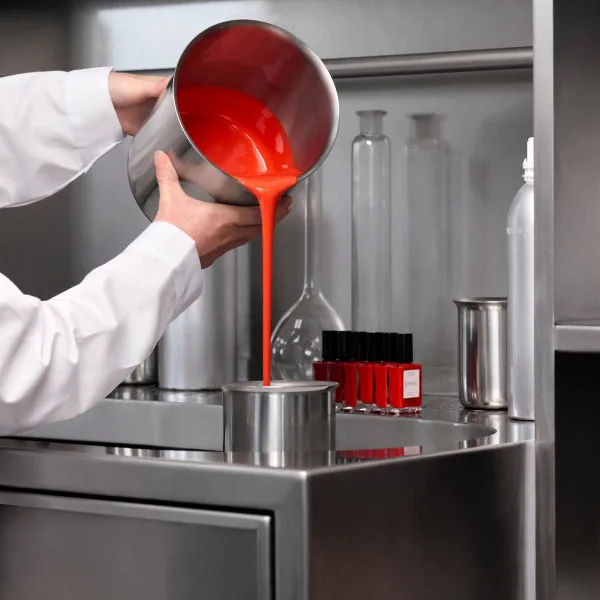
Which nail polish brand is TPO-free and HEMA-free?
TPO-free and HEMA-free polish: what these substances are, which one is banned and how to check the INCI list yourself.
-
 Conseils
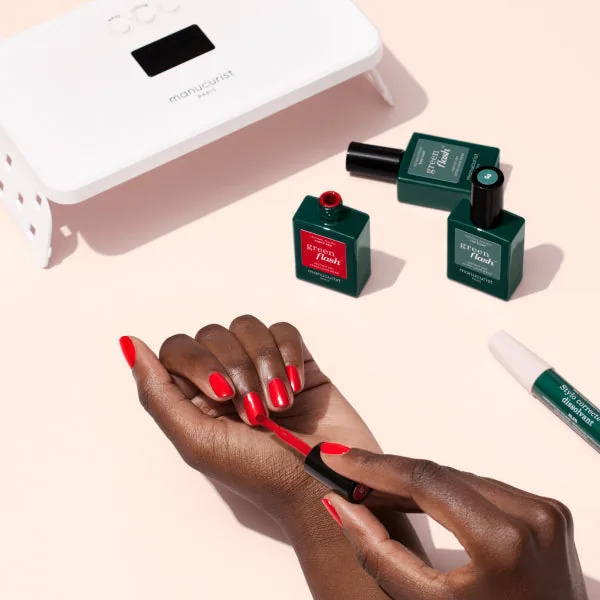
The best at-home Gel Polish kit, according to you
Clean, bio-based formula, easy application, 12-day wear… Discover why Green Flash™ is nail addicts’ favourite gel manicure kit.
-
 Conseils
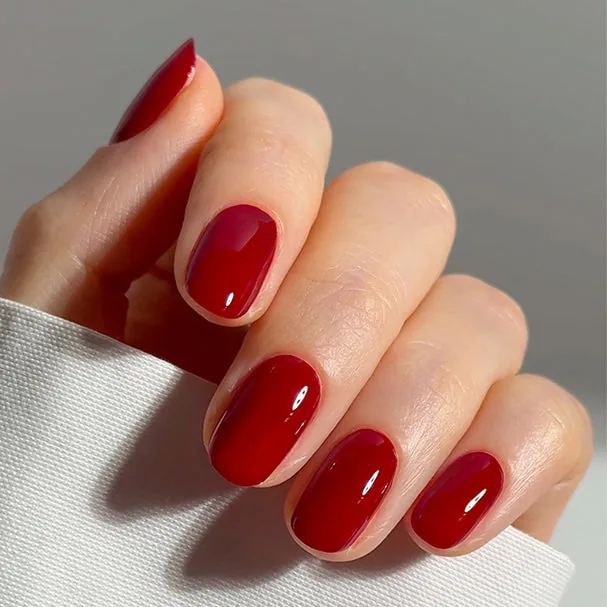
Semi-permanent nail polish vs gel: which manicure to choose?
Gel or gel polish: differences, wear time, durability, price and removal. Our comparison to choose the right manicure for your nails.
-
 Conseils
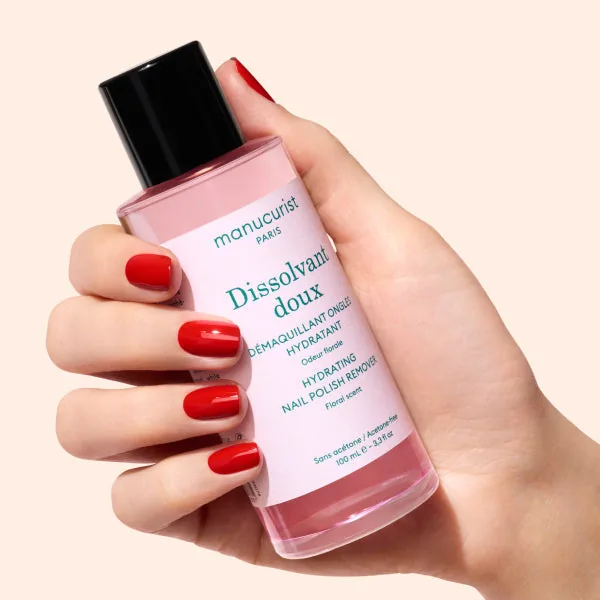
Best acetone-free nail polish remover: which one should you choose?
Acetone-free nail polish remover: what it is, gentle formula criteria, and the best choice for sensitive nails with bio-sourced Manucurist removers.
-
 Conseils
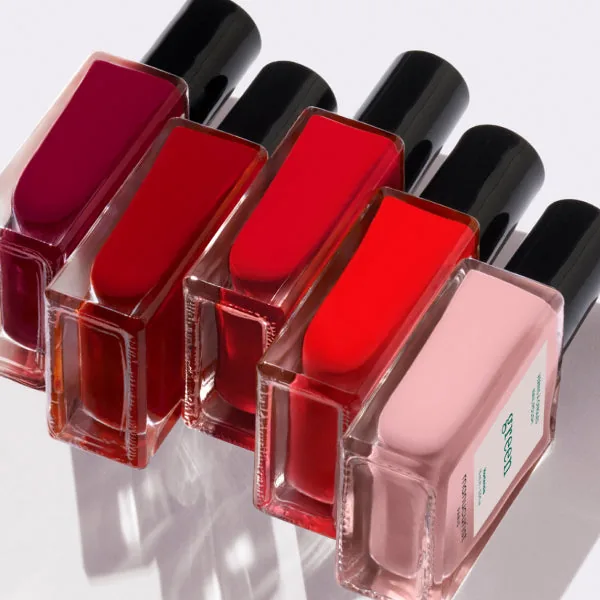
Choose Your Next Nail Colour With Colour Theory
Discover how to find your colour palette with simple tests and identify the colours that enhance your skin tone and style.
-
 Conseils
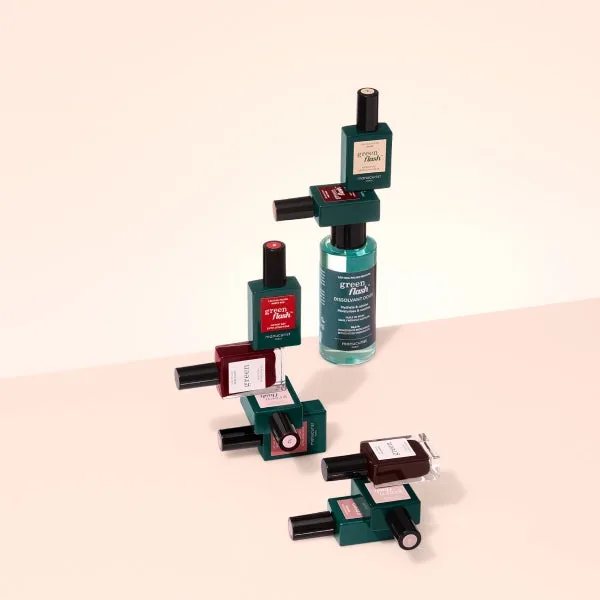
Classic polish or Gel Polish: which type is right for you?
Discover what sets regular and semi-permanent polish apart: wear time, finish, removal, nail care… We're here to help you make the right choice, step by step.
-
 Conseils
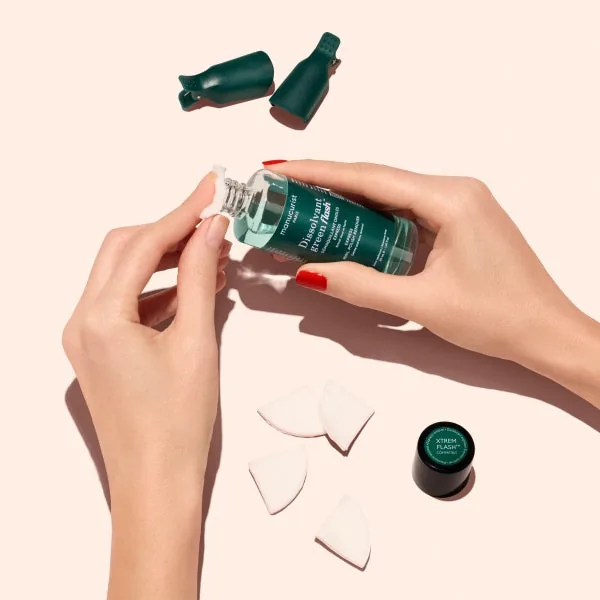
How to remove your polish without damaging your nails?
Acetone, homemade remedies or gentle removers? Discover methods to effectively remove your polish without damaging your nails.
-
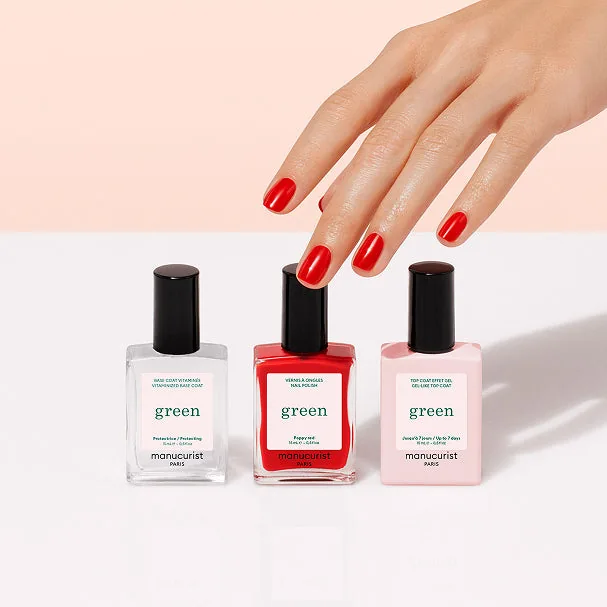 Conseils
How to apply nail polish: A beginner’s guide
Discover how to apply nail polish step by step, avoid smudges and achieve a radiant, long-lasting manicure at home.
-
 Conseils
Nail Acetone: Uses, Risks, and Alternatives
Discover when to use acetone for nails, its risks for nails and skin, and gentler alternatives to choose.
-
 Conseils
Which nail polish lasts the longest? Complete guide
Which nail polish lasts best? Discover our comparison of the best long-lasting polishes and tips for a manicure that lasts 3 weeks.